Why Every Business Needs AI-Powered CRM Solutions
Susalabs Team
Author
In today's market-driven by digital, customers not only want service, they expect experiences created around their wants and needs, just when they need it. The days of wanting acceptable business practices of "one size fits all" in customer relationship management are quickly fading, and being replaced by intelligent systems that predict, adapt, and engage customers with unprecedented accuracy.
While standard CRM systems allowed businesses to manage their customer data and the history of interactions with customers, AI-CRM systems turn the customer data into actionable intelligence. They don't just house customer data, they predict customer behaviors, automate workflows that would normally be complex to manage, and create personalized experiences at scale. The question is not whether a business should adopt an AI-CRM anymore, it is whether they can stay competitive with businesses that adopt the technology.

What Is an AI-Powered CRM?
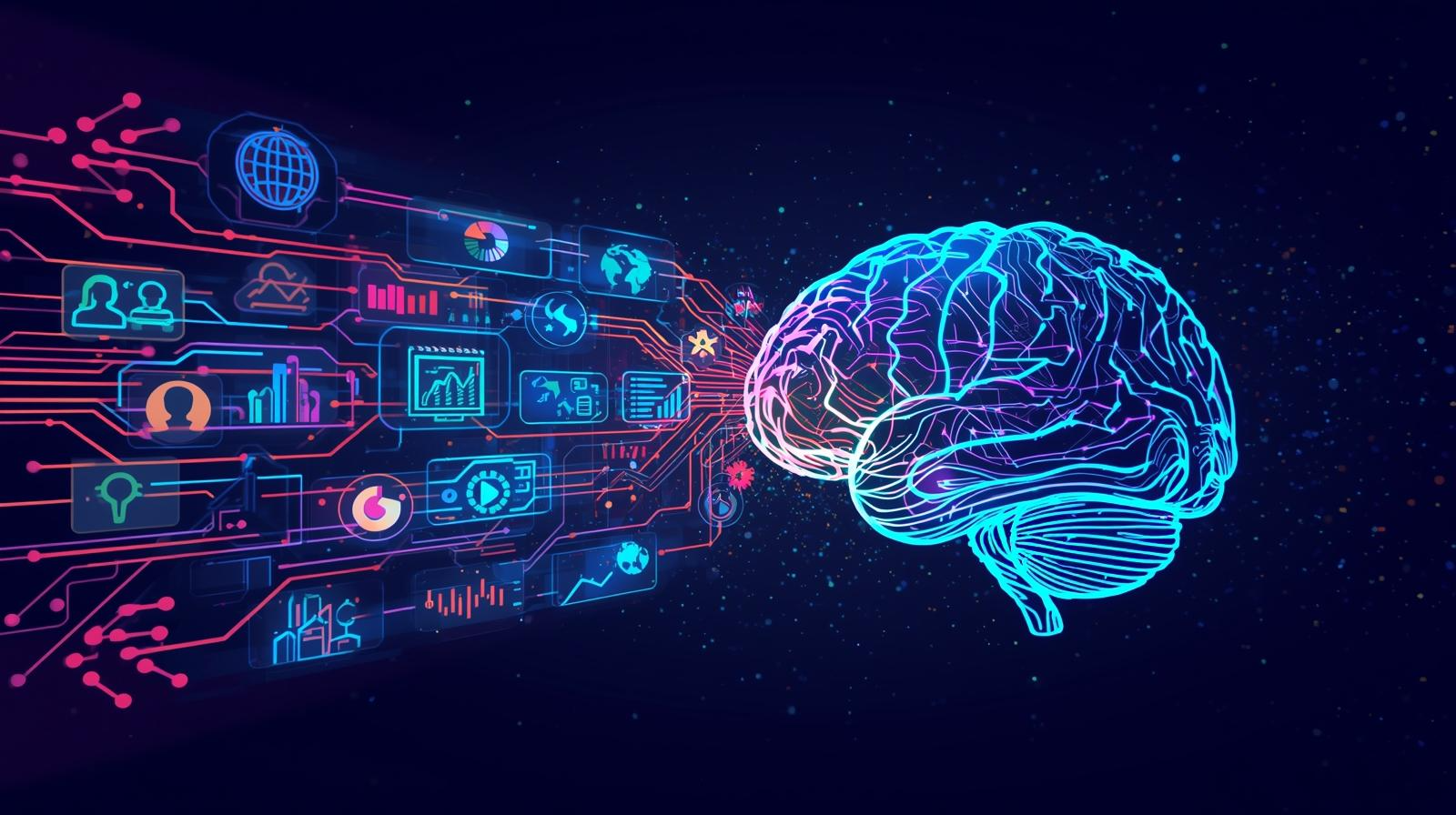
An AI-powered CRM is a customer relationship management system enhanced with artificial intelligence capabilities that go far beyond traditional data storage and organization. These intelligent systems leverage machine learning algorithms, natural language processing, and predictive analytics to transform raw customer data into strategic business insights.
Key features that distinguish AI-powered CRMs from their traditional counterparts include:
Predictive Analytics: Instead of just tracking past customer behavior, AI CRMs forecast future actions, identifying which leads are most likely to convert, when customers might churn, and what products they're likely to purchase next.
Intelligent Automation: Beyond simple task automation, AI CRMs can orchestrate complex, multi-step workflows that adapt based on customer responses and behavioral patterns.
Advanced Personalization: These systems create detailed customer personas and deliver individualized experiences across every touchpoint, from email campaigns to product recommendations.
Natural Language Processing: AI chatbots and virtual assistants can understand context, sentiment, and intent, providing human-like customer interactions 24/7.
Real-world applications of AI in CRM include intelligent chatbots that can handle complex customer inquiries, recommendation engines that suggest relevant products based on browsing history and peer behavior, and automated lead scoring systems that prioritize sales efforts on the most promising prospects.
Why Businesses Need AI-Powered CRM
Personalized Customer Experiences
AI can process significant amounts of customer information in real-time, so businesses can now provide the personalized experiences consumers expect. By aggregating data points from multiple touchpoints—website visits, purchases, social media actions, support calls—AI provides a complete customer profile with preferences, trends, and friction.
That personal touch in a customer relationship built on AI goes beyond simply putting their name in an email. AI-powered CRMs can predict what content is most likely to interest a specific customer, when to ask, and how to ask. Think about how Netflix recommends shows based on what you've recently watched, or how Amazon recommends additional products based on a customer's more recent order. You can provide that level of intelligent personalization in every part of the customer's experience.
Predictive Analytics for Smarter Decisions
Classic CRMs provide insight into what has happened; CRM's fueled with AI help you gain insight into what will likely happen next. Predictive analytics processes historical data patterns and current customer patterns to help predict sales trends, customers that may be at risk of churning, and what leads are most likely to convert.
This ability to foresee likely outcomes allows the company to take action proactively instead of reactively. Sales teams can spend their time and energy on leads that are most likely to close, customer success teams can reach out before a valuable customer turns rival, and marketing teams can take action based on the predicted shifts in the markets. Companies that use predictive analytics see as much as a 19% increase in sales productivity and a 15% decrease in customer acquisition costs.
Automation of Repetitive Tasks
AI-powered CRMs excel at handling the routine tasks that consume valuable time and resources. From automated follow-up emails and appointment scheduling to lead nurturing sequences and data entry, AI can manage repetitive processes with greater accuracy and consistency than manual methods.
This automation doesn't just save time—it eliminates human error and ensures no opportunities fall through the cracks. Sales representatives can focus on building relationships and closing deals rather than updating spreadsheets, while marketing teams can concentrate on strategy and creative campaigns instead of managing routine communications.
24/7 Customer Engagement with Chatbots
Modern AI chatbots are sophisticated enough to handle complex customer inquiries, provide product recommendations, and even process transactions. Unlike simple rule-based chatbots of the past, AI-powered virtual assistants understand context, learn from interactions, and can escalate issues to human agents when necessary.
This round-the-clock availability significantly improves customer satisfaction while reducing support costs. Customers get immediate responses to their questions, while businesses can handle higher volumes of inquiries without proportionally increasing staff. The latest AI CRM platforms are integrating advanced artificial intelligence features that make these interactions increasingly natural and effective.
Enhanced Sales & Marketing Alignment
AI-powered CRMs break down silos between sales and marketing teams by providing unified insights into the entire customer journey. Marketing teams can see which campaigns generate the highest-quality leads, while sales teams can understand which messaging resonates most with prospects at different stages of the buying process.
Intelligent lead scoring takes this alignment further by using AI to evaluate leads based on multiple factors, ensuring that sales teams prioritize prospects with the highest conversion probability. This data-driven approach to lead management can increase conversion rates by up to 30% while reducing the sales cycle length.

Benefits of AI-Powered CRM for Different Business Sizes
Small Businesses: Cost-effective Growth and Customer Retention
Small businesses often operate with limited resources, making efficiency crucial for growth. AI-powered CRMs level the playing field by providing enterprise-level capabilities at accessible price points. These systems can automatically segment customers, personalize communications, and predict which clients are most likely to make repeat purchases.
For small businesses, customer retention is particularly critical since acquiring new customers can cost five times more than retaining existing ones. AI helps identify at-risk customers early and suggests specific actions to improve satisfaction and loyalty.
Mid-Size Enterprises: Scaling Without Extra Overhead
As businesses grow, managing customer relationships becomes increasingly complex. Mid-size enterprises often struggle with the transition from small business informality to enterprise-level structure. AI-powered CRMs provide the sophistication needed to manage larger customer bases while maintaining the personal touch that drives customer loyalty.
These systems can handle increased data volumes, automate complex workflows, and provide the analytical insights needed to make strategic decisions. Most importantly, they can scale with the business without requiring proportional increases in staff.
Large Enterprises: Managing Massive Customer Datasets Efficiently
Large enterprises deal with enormous amounts of customer data across multiple channels, products, and geographic regions. Traditional CRMs can struggle with this complexity, but AI-powered systems thrive in data-rich environments.
AI can identify patterns and insights that would be impossible for humans to detect manually, segment customers across multiple dimensions simultaneously, and coordinate personalized experiences across complex organizational structures. Enterprise AI solutions provide real-time access to customer data, analytics, and automation across the entire business, enabling truly integrated customer relationship management.

Future of CRM: Where AI Is Taking Us
The evolution of AI-powered CRM is accelerating, with emerging technologies promising even more sophisticated customer engagement capabilities. Integration with Internet of Things (IoT) devices will provide unprecedented insights into customer behavior and preferences. Imagine a CRM system that knows when a customer's smart home device needs maintenance before the customer does, or that can predict purchasing needs based on usage patterns from connected products.
Voice assistants and conversational AI are becoming more sophisticated, enabling natural language interactions that feel genuinely human. Customers will soon be able to place orders, check account status, and resolve issues through simple voice commands, with AI handling the complexity behind the scenes.
Augmented Reality (AR) and Virtual Reality (VR) integration will transform how businesses demonstrate products and provide support. Customers will be able to visualize products in their own environments, receive interactive tutorials, and get immersive support experiences, all tracked and optimized through AI-powered CRM systems.
Perhaps most significantly, AI is moving toward hyper-personalization at scale. Future CRM systems will create individual customer models so detailed and accurate that every interaction will feel personally crafted. This level of personalization will extend beyond marketing to include product development, pricing strategies, and service delivery.
Predictive customer service will become truly proactive, with AI systems identifying and resolving issues before customers are even aware of them. This shift from reactive to predictive service will fundamentally change customer expectations and create new competitive advantages for early adopters.
Challenges & Considerations
Data Privacy & Security Concerns
The power of AI-powered CRMs depends on access to customer data, which raises important privacy and security considerations. Businesses must ensure compliance with regulations like GDPR, CCPA, and other data protection laws while maintaining the data quality needed for AI effectiveness.
Implementing robust security measures, obtaining proper consent for data usage, and being transparent about how customer data is used are essential for maintaining customer trust. The most successful AI-powered CRM implementations balance personalization benefits with respect for customer privacy.
Adoption Resistance and Change Management
Introducing AI-powered CRM systems often requires significant changes to existing workflows and processes. Employees may resist new technologies, especially if they fear job displacement or find the systems complex to use.
Successful implementations require comprehensive change management strategies, including thorough training programs, clear communication about benefits, and gradual rollouts that allow teams to adapt. Emphasizing how AI enhances human capabilities rather than replacing them helps address adoption concerns.
Cost vs ROI Considerations
AI-powered CRM systems typically require higher upfront investments than traditional alternatives. However, the long-term return on investment often justifies the initial cost through improved efficiency, higher conversion rates, and enhanced customer retention.
Businesses should carefully evaluate the total cost of ownership, including implementation, training, and ongoing maintenance, against projected benefits. Many organizations find that the productivity gains and revenue increases from AI-powered CRMs provide positive ROI within 12-18 months.

The Strategic Imperative: Why AI-Powered CRM Is Essential
The business landscape is evolving at an unprecedented pace, with customer expectations rising and competitive pressures intensifying. Companies that continue to rely on traditional CRM approaches risk falling behind competitors who are leveraging AI to deliver superior customer experiences.
AI-powered CRMs aren't just about technology—they're about transformation. They transform how businesses understand their customers, how they deliver value, and how they compete in the marketplace. The predictive insights, personalized experiences, and operational efficiencies they provide create sustainable competitive advantages that compound over time.
Forward-thinking businesses recognize that AI-powered CRM is not a luxury or a future consideration—it's a strategic necessity. The companies that adapt these technologies today will be the market leaders of tomorrow, while those that delay risk being left behind by more agile, AI-enabled competitors.
The question isn't whether your business needs an AI-powered CRM, but how quickly you can implement one effectively. Every day of delay means missed opportunities, lost customers, and competitive disadvantages that become harder to overcome.
Looking for AI-driven CRM solutions that can transform your business? SusaLabs specializes in developing intelligent CRM systems that leverage cutting-edge AI technologies to deliver measurable business results. Our team combines deep expertise in artificial intelligence development with comprehensive understanding of customer relationship management to create solutions perfectly tailored to your business needs.
Whether you need predictive analytics capabilities, intelligent automation workflows, or personalized customer engagement systems, SusaLabs can help you build the AI-powered CRM that will drive your business forward. Our end-to-end approach includes custom software development, system integration, and ongoing optimization to ensure your CRM investment delivers maximum value.
Contact SusaLabs today to discover how AI-powered CRM can revolutionize your customer relationships and accelerate your business growth in the digital economy.